Sculptural legibility
Figures must read clearly in a cabinet, on a tabletop, and from the distance of a customer walking past a display. Gesture and silhouette are tested before decorative detail is allowed to compete.
Nao craftsmanship is presented through process, not mystique. The value of a figurine is built in small decisions: the first sculptural gesture, the mold line that must disappear, the glaze that should not overpower a face, and the final inspection that confirms the object feels composed from every common viewing angle.
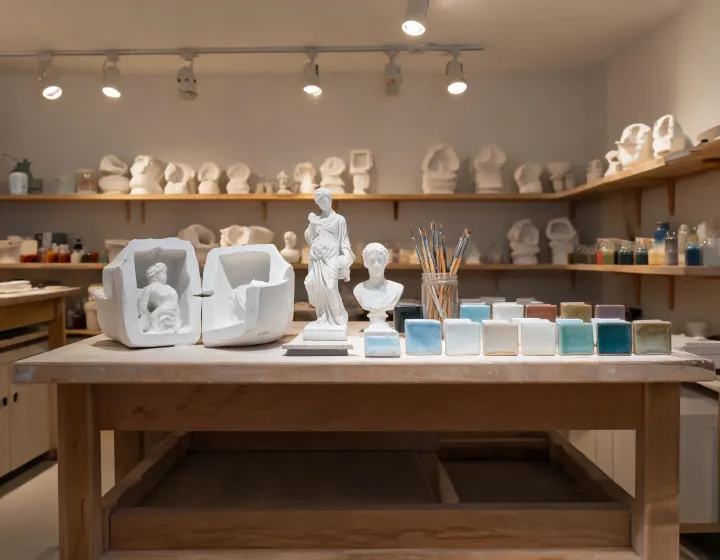
The first look tells the recipient what the gift means. The second look decides whether the object remains on display. Nao's porcelain language therefore avoids loud novelty and focuses on proportion, tender posture, soft surface transitions, and painterly restraint. These choices help a figurine stay relevant after the birthday, wedding, baptism, holiday, or collector purchase has passed.
For buyers, craftsmanship is also a commercial tool. When staff can explain why a hand-finished edge, a balanced silhouette, or a carefully softened color matters, the sale becomes more than a price comparison. The object has a reason to be selected, wrapped, and remembered.
Figures must read clearly in a cabinet, on a tabletop, and from the distance of a customer walking past a display. Gesture and silhouette are tested before decorative detail is allowed to compete.
Glaze and color should support expression rather than hide form. The finish direction favors porcelain softness, gentle contrast, and details that invite inspection without creating visual clutter.
Retailers need additions to feel compatible over time. Themes, scale, and material language are considered as a family, helping collectors expand without losing coherence.
Pieces are reviewed for immediate occasion recognition, so staff can connect them to weddings, family milestones, collector themes, faith moments, or refined home gifting.
Scale, posture, and color are checked against grouped retail displays, preventing a cabinet from becoming visually uneven when multiple porcelain pieces are shown together.
Surface cues such as softened edges, facial detail, folds, and small painted notes are treated as the evidence customers use when deciding whether the gift feels special enough.
We will help translate Nao's porcelain process into shelf stories, staff notes, and collection priorities that fit your channel.